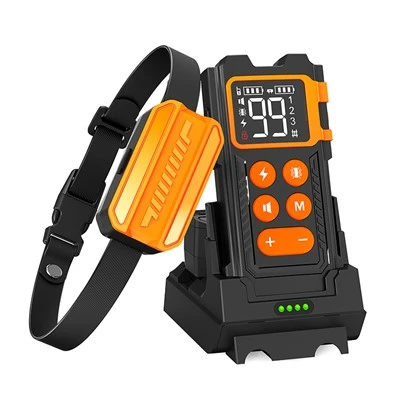


An electronic fence system mainly consists of three parts: the electronic fence host, front-end accessories, and the back-end control system. Typically, the electronic fence host is installed outdoors in a stainless steel rainproof box, mounted along the existing fence (such as a brick wall, concrete wall, or iron fence). The pulse generator is also usually outdoors, transmitting alarm signals to the back-end control center via signal transmission equipment.
Electronic fences are designed to create a circuit when touched by a person or animal. A component called a power exciter converts power into brief high-voltage pulses. One terminal of the power exciter releases an electrical pulse approximately once per second along a connected bare wire. The other terminal is connected to a metal rod implanted in the earth, called a grounding rod or grounding bar. A person or animal touching the wire and the earth during the pulse will complete the circuit and cause a shock. The impact of the shock depends on the voltage, the energy of the pulse, the degree of contact between the receiver and the fence and the ground, and the path of the current through the body; it can range from barely noticeable to uncomfortable, painful, or even fatal.