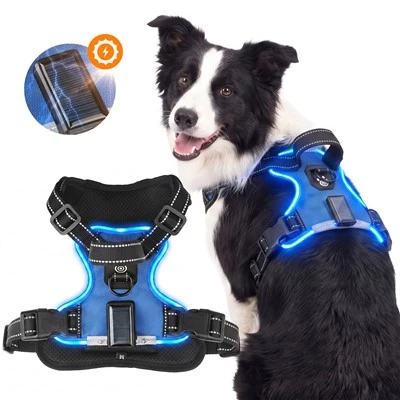


Size fit is paramount to ensuring your pet's safety. A tracker that is too large or heavy can restrict movement and even cause neck and leg injuries; one that is too small may be swallowed or escaped. Choose a tracker appropriate for your pet's size. Small dogs and cats should use models weighing under 50g and with a compact size. Large dogs can choose slightly larger but still lightweight models, paired with an adjustable collar or harness to ensure the tracker fits snugly without being too tight, leaving 1-2 fingers of room to move.
Material safety directly impacts your pet's health. The tracker's shell and parts that come into contact with your pet's skin must be made of non-toxic, non-irritating materials such as food-grade silicone or ABS environmentally friendly plastic. Avoid using inferior plastics or materials containing harmful chemicals to prevent poisoning or skin allergies from licking. Check the product's material testing report when purchasing to ensure it meets relevant safety standards.
Waterproof and shockproof performance is essential for your pet's outdoor activities. When pets run, play in water, or roll around in the rain, if the GPS tracker's waterproof rating is insufficient (below IP67), it may get wet and be damaged, or even short-circuit and cause electric shocks to the pet. Furthermore, if the tracker has poor drop resistance, parts may detach and be accidentally ingested by the pet when it bumps or jumps. Therefore, it is essential to choose a GPS tracker with an IP67 or higher waterproof rating that has passed a drop test of at least 1.5 meters to ensure safe use in various scenarios.