

Choosing an anti-barking device requires considering factors such as the pet's characteristics, the environment in which it will be used, and the product's functions. The choice should be based on the pet's personality, habits, and reaction to sound. For example, a dog that likes to chase sounds may need an anti-barking device that produces a strong sound stimulus, while a more sensitive cat may need an anti-barking device with a gentle sound. If the pet is frequently outdoors, a portable anti-barking device that can be carried around is suitable; if the pet is mainly indoors, a fixed indoor anti-barking device is more appropriate.
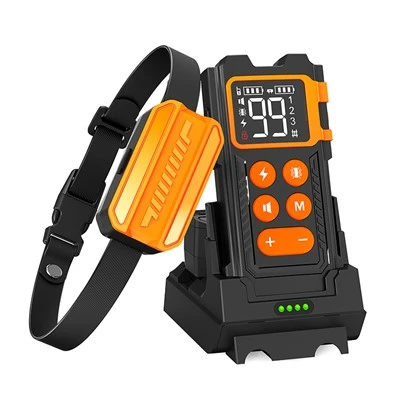
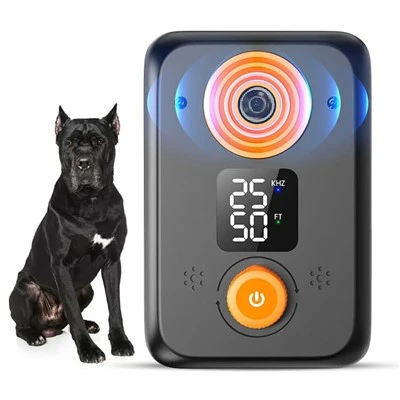
When purchasing, pay attention to the product's noise control function, durability, and refer to other users' reviews. Choose a type that meets the pet's needs. Different types of anti-barking devices are available on the market, such as those that provide sound stimulation, vibration, and spray. Ensure the device's sensitivity is appropriate, will not cause excessive stress to the pet, and is safe and harmless. Use it cautiously, gradually introducing the anti-barking device to the pet to avoid overstimulating them initially. Some products are specifically designed for a particular size range, such as small and medium-sized dogs weighing 20-45 pounds (approximately 9-20 kg).
Anti-barking devices cannot solve the problem at its root. It is necessary to combine training and interaction to help pets establish good behavioral habits.