

Electrical Stimulation Anti-Barking Device Principle
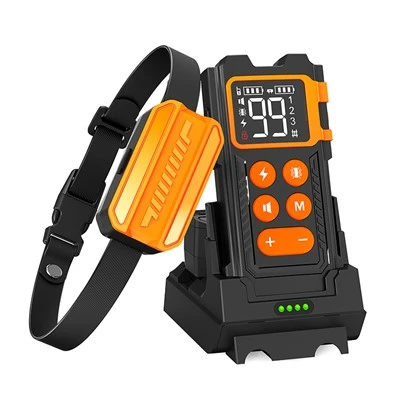
Electrical stimulation anti-barking devices detect the vibrations of a dog's bark through sensors, triggering microcurrent stimulation. Modern devices typically have multi-level adjustment capabilities, ranging from mild vibrations to adjustable electrostatic pulses. The key is that the stimulation intensity must be controlled below the behavioral correction threshold, similar to electrical muscle stimulation therapy in fitness, aiming to establish a conditioned reflex rather than causing pain.
Comparison of Alternative Training Programs
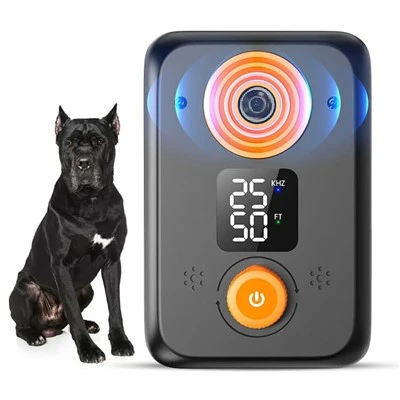
Ultrasonic Anti-Barking Devices: Emits high-frequency sound waves for interference.
Odor Blockers: Utilize dogs' sensitive scents.
Positive Reinforcement Training: Reward quiet behavior.
Electrical stimulation programs are highly effective in remote control scenarios, but require combined behavioral cognitive training to form long-term memory.
Three Key Elements for Scientific Use
Gradual Adaptation: Start testing with a lower setting.
Time Control: Do not use for more than 8 hours at a time.
Environmental Observation: Pay attention to the impact of weather changes on skin conductivity.